
 Get Android
New TOEFL Speaking Format 2026: 11 Questions, 8 Minutes, Two New Tasks
The TOEFL Speaking exam has a new look and new goals. Here's your guide to the question types and expectations for the new 2026 TOEFL Speaking test, plus some tips to prepare for it well!
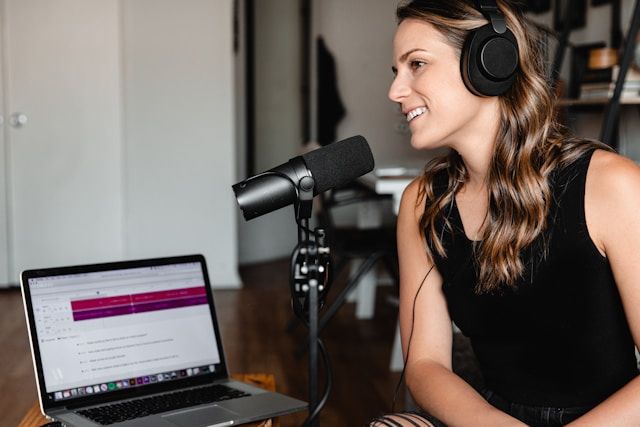
The new TOEFL Speaking format 2026 changes the section from four longer academic tasks into a fast sequence of short spoken responses. The updated TOEFL iBT began using this format on January 21, 2026. Students now complete two TOEFL Speaking task types: Listen and Repeat and Take an Interview.
The TOEFL Speaking section contains 11 items and takes about eight minutes. The shorter section still demands quick listening, accurate pronunciation, clear grammar, and spontaneous speech.
What is the New TOEFL Speaking Test?
The new TOEFL Speaking 2026 section has seven Listen and Repeat items and four Take an Interview questions. Listen and Repeat tests accurate sentence repetition and intelligibility. Take an Interview tests fluency, pronunciation, vocabulary, grammar, coherence, and the ability to develop an answer.
The 2026 TOEFL Speaking Format at a Glance
Feature | Updated TOEFL Speaking section |
Total items | 11 |
Approximate time | 8 minutes |
Task 1 | Listen and Repeat |
Task 1 items | 7 sentences |
Task 2 | Take an Interview |
Task 2 items | 4 questions |
Main contexts | Academic and campus situations |
Response method | Recorded through a microphone |
Reported score | 1–6 in half-point bands |
Listen and Repeat: Seven Sentences, One Chance to Hear Each
Listen and Repeat is the first part of the updated TOEFL Speaking test. You will hear seven sentences connected to one practical situation. An official ETS TOEFL speaking example places the test taker in a bookshop, where a manager explains the workplace. Other scenarios may involve campus services, visitor instructions, or academic activities.
Each sentence plays once. A short pause follows, and you repeat and record the sentence as accurately as possible. Early sentences are usually short. Later sentences contain more words and denser grammar, which adds pressure to listening memory and speech control.
Listen and Repeat measures more than imitation. You must recognize the sentence, hold its sound pattern in memory, and reproduce its words in order. Final consonants, small grammar words, verb endings, sentence stress, and rhythm can affect the response.
ETS scores each item from 0 to 5. A score of 5 requires an exact, fully intelligible repetition. A score of 4 can contain a small change, such as one missing function word, when the original meaning stays clear. Larger omissions, changed content words, or unclear pronunciation reduce your score.
Take an Interview: Four Connected Speaking Questions
Take an Interview is the second TOEFL Speaking 2026 task. A prerecorded interviewer introduces an academic or campus situation and asks four connected questions. Topics may include scholarships, research studies, university life, education, or community issues.
The first question often asks for a fact or personal detail. Later questions become broader. You may describe an experience, explain a preference, evaluate an idea, or support an opinion. This progression tests your ability to move from familiar information to developed reasoning.
ETS looks for a clear response, useful elaboration, a natural speaking pace, intelligible pronunciation, effective English rhythm and intonation, accurate grammar, and enough vocabulary to express precise meaning.
Long memorized templates may slow you down. A compact structure works better:
Answer the question → give a reason → add one specific detail → close the idea clearly.
How TOEFL Speaking 2026 Is Scored
Official TOEFL Speaking rubrics use a 0–5 scale for every response. Listen and Repeat focuses on accuracy and intelligibility. Take an Interview focuses on relevance, elaboration, fluency, pronunciation, rhythm, intonation, grammar, and vocabulary.
ETS grades the final Speaking section on the new 1–6 TOEFL score scale, with half-point bands. Any intelligible accent can earn a strong score. Clear speech matters more than sounding American or using a British accent. The scorer should understand your words without much effort.
What Research Says About the New TOEFL Speaking Tasks
Researchers Dan Isbell and Dustin Crowther studied 149 international students at the University of Hawaiʻi at Mānoa. They compared updated TOEFL Speaking scores with graph descriptions, lecture responses, and university speaking assignments.
Their research shows a connection between TOEFL speaking scores and real-life academic English skills. Listen and Repeat scores correlated at .84 with the graph and lecture tasks. The Take an Interview scores correlated at .85 and .83. These strong relationships suggest that the new TOEFL Speaking tasks capture abilities used beyond the exam, especially fluency, accuracy, pronunciation, and rapid language processing.
The research also explains why sentence repetition belongs in an academic English test. A student must decode spoken language quickly, remember its structure, and produce clear speech. These same abilities support lectures, classroom discussions, presentations in English, and everyday campus communication.
What the New 2026 TOEFL Format Means for Preparation
TOEFL Speaking 2026 preparation should match the current exam. Older lessons built around four long tasks, lecture summaries, and fixed speaking templates describe the previous format.
Current practice should include one-listen sentence repetition, thought-group memory, clear grammatical endings, controlled sentence stress, and immediate answers to interview questions. Record each response and compare it with the original prompt or a scoring checklist. Get feedback on missing words, unclear sounds, long pauses, and repeated grammar errors.
The Syranto app offers speaking practice designed with TOEFL in mind. You can get immediate, targeted feedback on the sounds and elements that matter most for a higher TOEFL Speaking score!
The updated TOEFL Speaking section is shorter, yet every second carries information. Accurate listening supports Listen and Repeat. Flexible, clear speech supports Take an Interview. Together, these skills prepare you for the new 2026 TOEFL format and real communication in university life.
FAQ About the New TOEFL Speaking Format 2026
What is the new TOEFL Speaking format in 2026?
The new TOEFL Speaking format 2026 contains two task types: Listen and Repeat and Take an Interview. Students complete seven sentence-repetition items and four interview questions. The full section contains 11 items and lasts approximately eight minutes.
How many questions are in TOEFL Speaking 2026?
There are 11 TOEFL Speaking questions in total. Seven belong to Listen and Repeat, while four belong to Take an Interview.
How long is the new TOEFL Speaking section?
The updated TOEFL Speaking section takes about eight minutes. Directions and technical transitions may add a small amount of time to the wider testing experience.
What is the TOEFL Listen and Repeat task?
The TOEFL Listen and Repeat task plays seven sentences one at a time. You hear each sentence once and repeat it after a short pause. Your score reflects how accurately and clearly you reproduce the sentence.
What questions appear in the TOEFL Take an Interview task?
Take an Interview includes four connected questions about academic, campus, or general educational situations. Early questions may ask about personal facts or experiences. Later questions usually ask you to explain and support broader opinions.
Is there preparation time in TOEFL Speaking 2026?
The updated tasks require rapid responses. Listen and Repeat begins after you hear each sentence once, while ETS teaching materials train students to answer interview questions as natural, no-preparation conversation. Practice answering immediately rather than writing a complete response first.
Does pronunciation affect the TOEFL Speaking score?
Yes. Pronunciation affects both TOEFL Speaking task types. Listen and Repeat requires intelligible repetition. Take an Interview evaluates pronunciation together with rhythm, intonation, fluency, grammar, vocabulary, and answer development.
Do I need an American accent for TOEFL Speaking 2026?
No specific national accent is required. The scoring guides focus on intelligibility, which means proficient English speakers can understand your message easily. Clear sounds, suitable word stress, natural rhythm, and effective intonation matter more than copying an American accent.
Are old TOEFL Speaking templates still useful in 2026?
Older templates for lecture summaries and the previous four-task Speaking section no longer match the current test. A short answer framework can still help with Take an Interview, but students need flexible language that responds directly to each question.
How can I practice for the new TOEFL Speaking test at home?
Use short audio sentences for one-listen repetition. Record yourself, compare your words with the original sentence, and mark missing sounds or grammar endings. Practice interview questions with a timer and review your pace, pauses, pronunciation, vocabulary, and supporting details. ETS also recommends recording, self-evaluation, and shadowing for Listen and Repeat practice.
The Syranto app is the perfect tool for practicing TOEFL Listen and Repeat and extended answers for the Give an Interview task. Get immediate feedback and start improving today!
Shape your accent, we guide the way.
Reading helps you understand. Practice helps you change how you sound.
Start practicing →